


Argentina: A Nation of Passion, Paradox, and Natural Splendor
Argentina stands as South America’s second-largest nation, a country where European elegance meets Latin American vitality, where snow-capped Andean peaks descend to windswept Patagonian plains, and where economic turbulence coexists with an irrepressible cultural spirit. This vast republic stretches across 2.78 million square kilometers, making it the eighth-largest country in the world, yet its story is defined not merely by geography but by the passionate soul of its 46 million inhabitants.
Geography and Natural Wonders
Argentina’s geography reads like an inventory of nature’s extremes. The country extends from the subtropical forests of the north to the subantarctic landscapes of Tierra del Fuego in the south, encompassing nearly every climate zone imaginable. The mighty Andes Mountains form its western spine, sharing a 5,300-kilometer border with Chile and hosting Aconcagua, the Western Hemisphere’s highest peak at 6,961 meters.
The Pampas grasslands dominate the central region, endless fertile plains that have made Argentina an agricultural powerhouse. To the west lies the Cuyo region, home to Mendoza’s world-renowned vineyards. The northeastern provinces feature the spectacular Iguazú Falls, where 275 cascades thunder along the Brazilian border in a display that dwarfs Niagara. Southward, Patagonia unfolds in dramatic fashion—a land of glaciers, lakes, and windswept steppes where guanacos roam and condors soar. The Perito Moreno Glacier, one of the few advancing glaciers on Earth, calves massive ice chunks into Lake Argentino, creating one of nature’s most breathtaking spectacles.
Population and Culture
Argentina’s population reflects waves of immigration that fundamentally shaped its character. Unlike many Latin American nations, Argentina’s demographic makeup shows strong European influence, particularly Italian and Spanish, with nearly 97% of the population identifying as white or mestizo. Buenos Aires became a magnet for European immigrants between 1880 and 1930, when millions fled wars and economic hardship for new opportunities in South America.
This European heritage manifests in Argentina’s architecture, cuisine, and cultural attitudes. Buenos Aires, often called the “Paris of South America,” showcases Parisian-style boulevards, ornate Belle Époque buildings, and a café culture where intellectual discourse flows as freely as wine. Yet Argentina has forged its own distinct identity, most famously through tango, the sensual dance born in Buenos Aires’ working-class neighborhoods in the late 19th century. Tango embodies Argentine soul—passionate, melancholic, and intensely expressive.
Argentine literature has produced world-class writers including Jorge Luis Borges, whose metaphysical short stories earned international acclaim, and Julio Cortázar, master of experimental fiction. The country’s film industry has won multiple Academy Awards, while its theater scene remains vibrant and provocative.
Economic Power and the Inflation Crisis
Argentina possesses the third-largest economy in Latin America, with a GDP of approximately $640 billion. The nation ranks among the world’s leading exporters of soybeans, corn, wheat, and beef, while its industrial sector produces automobiles, chemicals, and machinery. Vast shale oil and gas reserves in the Vaca Muerta formation promise energy independence.
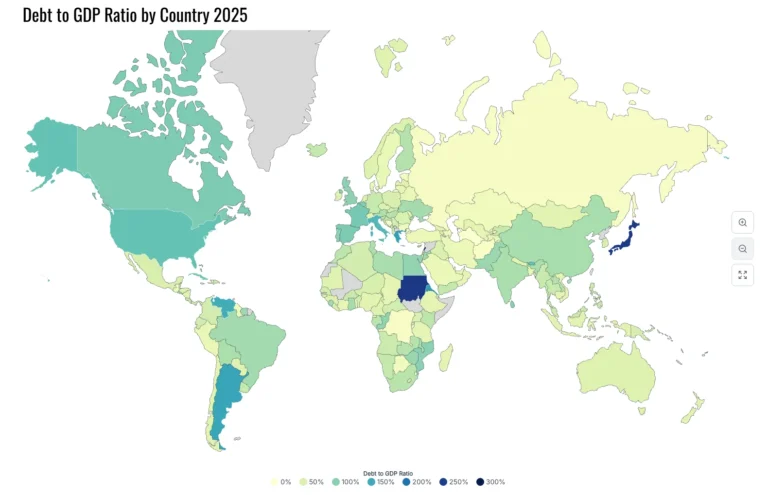
Yet this economic potential has been repeatedly undermined by chronic instability. Argentina has defaulted on its sovereign debt nine times since independence, most recently in 2020. The country’s inflation crisis represents one of modern economics’ most persistent failures. After decades of fiscal mismanagement, currency manipulation, and political populism, inflation spiraled out of control. By late 2023, annual inflation exceeded 160%, devastating savings and plunging millions into poverty. Middle-class families watched their purchasing power evaporate as prices changed daily.
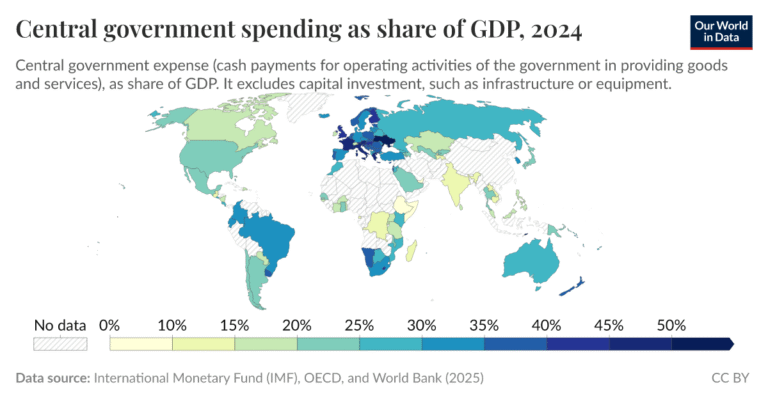
The crisis reflected deeper structural problems: excessive government spending, central bank financing of deficits, currency controls that spawned black markets, and a complex web of subsidies that distorted the economy. President Javier Milei, elected in late 2023 on a radical libertarian platform, implemented shock therapy—slashing government spending, devaluing the peso, and eliminating subsidies. While these measures initially deepened hardship, inflation began declining significantly in 2024, though the social costs remained severe.
Sports: A National Religion
If Argentina has a secular religion, it is football. The sport permeates Argentine life with an intensity that transcends mere entertainment. Diego Maradona achieved godlike status, his 1986 World Cup heroics permanently etched into national mythology. Lionel Messi, arguably the greatest player ever, finally secured World Cup glory in 2022, delivering Argentina its third title and cementing his own legendary status. Buenos Aires’ football culture centers on bitter rivalries, particularly the Superclásico between Boca Juniors and River Plate, considered one of sport’s most intense derbies. Stadiums erupt with thunderous chanting, elaborate choreography, and passion that occasionally spills into violence.
Beyond football, Argentina excels at polo, producing the world’s top players, and has strong basketball and rugby traditions. The Pumas rugby team competes at the highest international level, while Argentine basketball players have reached the NBA. Tennis has produced champions including Guillermo Vilas and more recently Diego Schwartzman.
Major Cities
Buenos Aires, home to nearly 3 million in the city proper and 15 million in the metropolitan area, dominates Argentine life. This cosmopolitan capital features distinct neighborhoods: elegant Recoleta with its famous cemetery, bohemian San Telmo with antique markets and tango halls, and modern Puerto Madero’s waterfront development. The city’s cultural offerings rival any global metropolis.
Córdoba, Argentina’s second city with 1.5 million residents, combines colonial architecture with university vitality and serves as an industrial hub. Rosario, birthplace of Che Guevara and Messi, sits along the Paraná River as a major port and grain-exporting center. Mendoza nestles against the Andes, gateway to wine country and mountain adventures. In the south, Ushuaia claims the title of world’s southernmost city, a frontier town serving as base for Antarctic expeditions.
Military Capability
Argentina maintains professional armed forces totaling approximately 83,000 active personnel. The military’s reputation suffered from its role in the 1976-1983 dictatorship’s “Dirty War,” which killed thousands of dissidents, and from defeat in the 1982 Falklands War against Britain. Since democratization, the military has focused on peacekeeping operations and disaster response.
Budget constraints limit capability—Argentina spends roughly 0.9% of GDP on defense. The armed forces operate aging equipment and face modernization challenges, though recent years have seen modest improvements in procurement and training focused on territorial defense and regional cooperation rather than power projection.
Conclusion
Argentina remains a country of contradictions—blessed with extraordinary natural wealth yet plagued by economic dysfunction, passionate about culture and sports yet scarred by political turmoil, cosmopolitan and sophisticated yet grappling with poverty and inequality. As it navigates another attempt at economic stabilization, Argentina’s resilient people continue finding joy in asado gatherings, football matches, and tango milongas, embodying a spirit that refuses to be crushed by crisis. Whether this remarkable nation can finally achieve lasting stability remains uncertain, but its cultural richness and natural beauty ensure its place among the world’s most captivating countries.